SIM-INC x CFA Society: Navigating Corporate Finance!

SIM-INC x CFA Society: Navigating Corporate Finance!

SIM-INC x CFA Society: Navigating Corporate Finance!

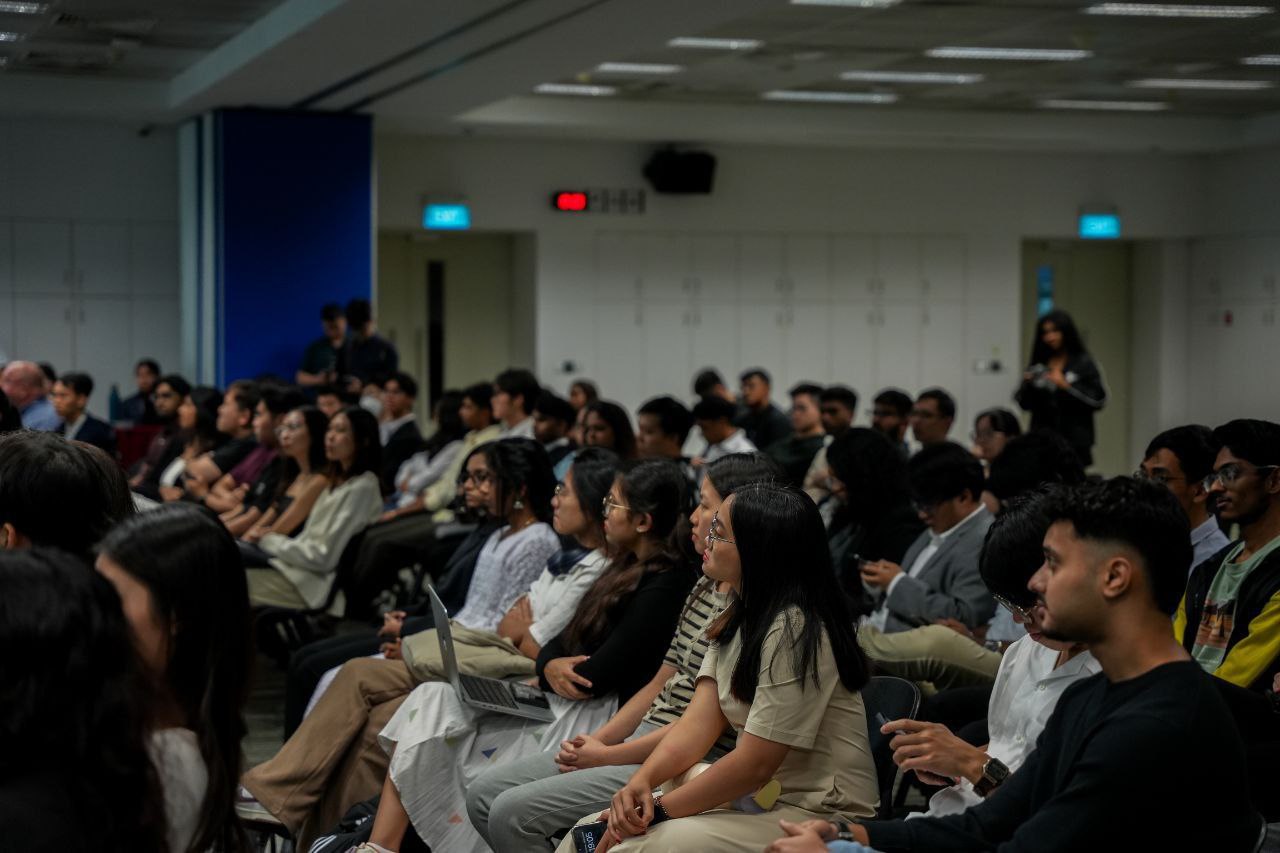
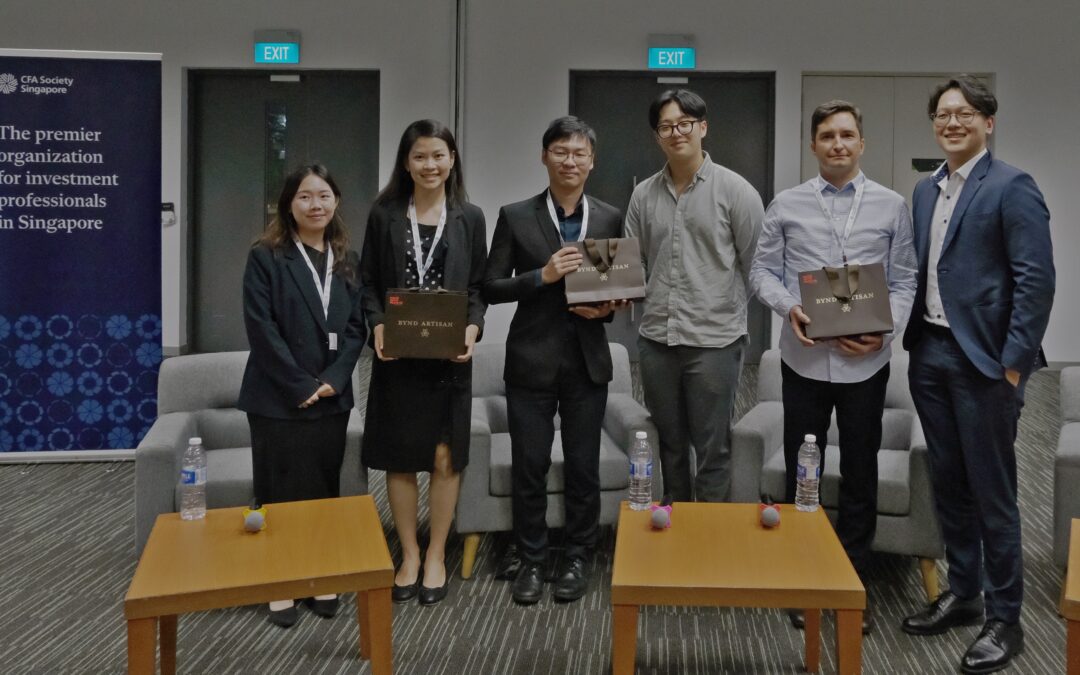
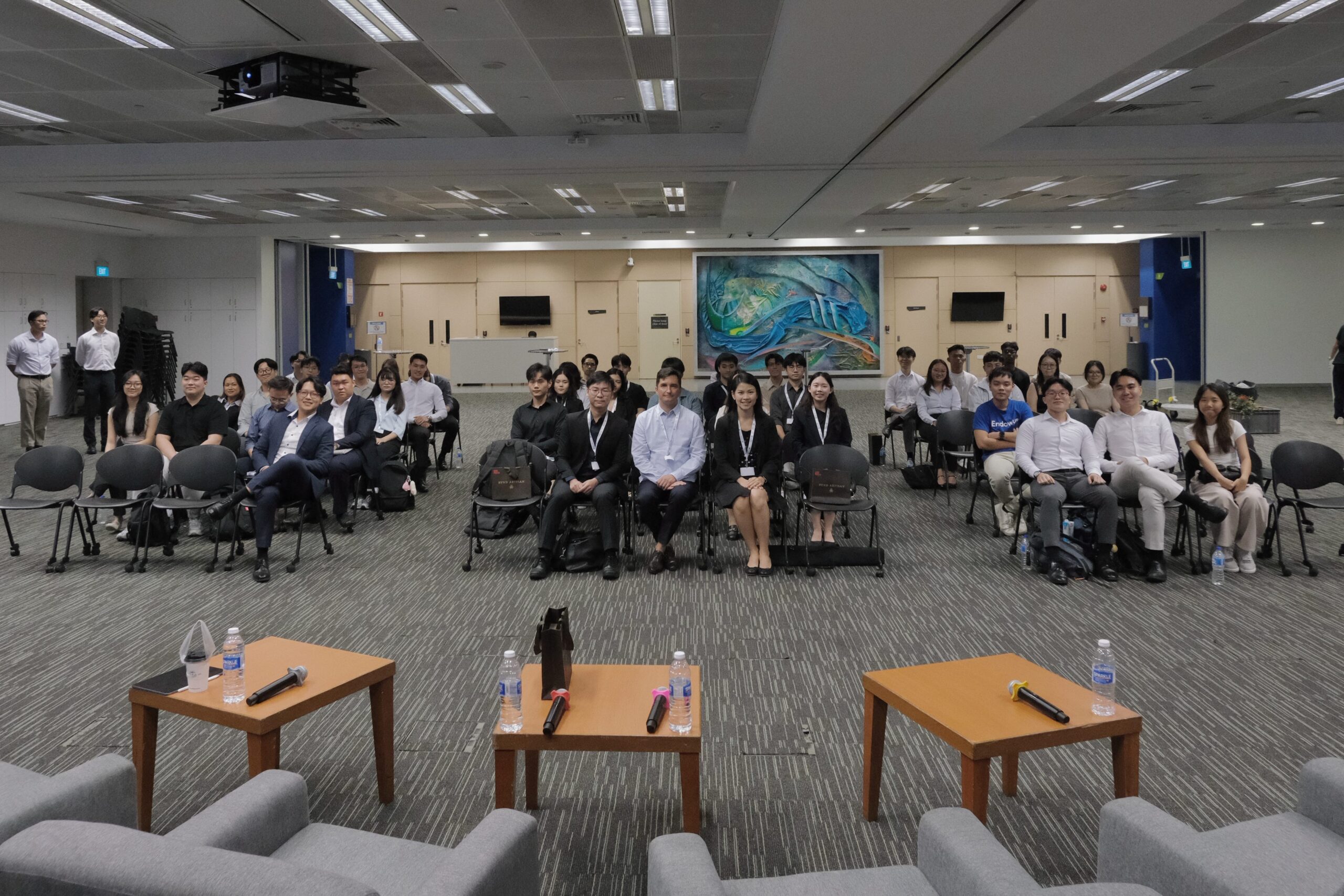
SIM-INC had the honour of co-organising an exciting and educational event on 8th July 2025 alongside CFA Society Singapore, SUSS, and Yale-NUS College, focusing on the real-world career aspects of Mergers & Acquisitions (M&A), Financial Planning & Analysis (FP&A), and Corporate Development.
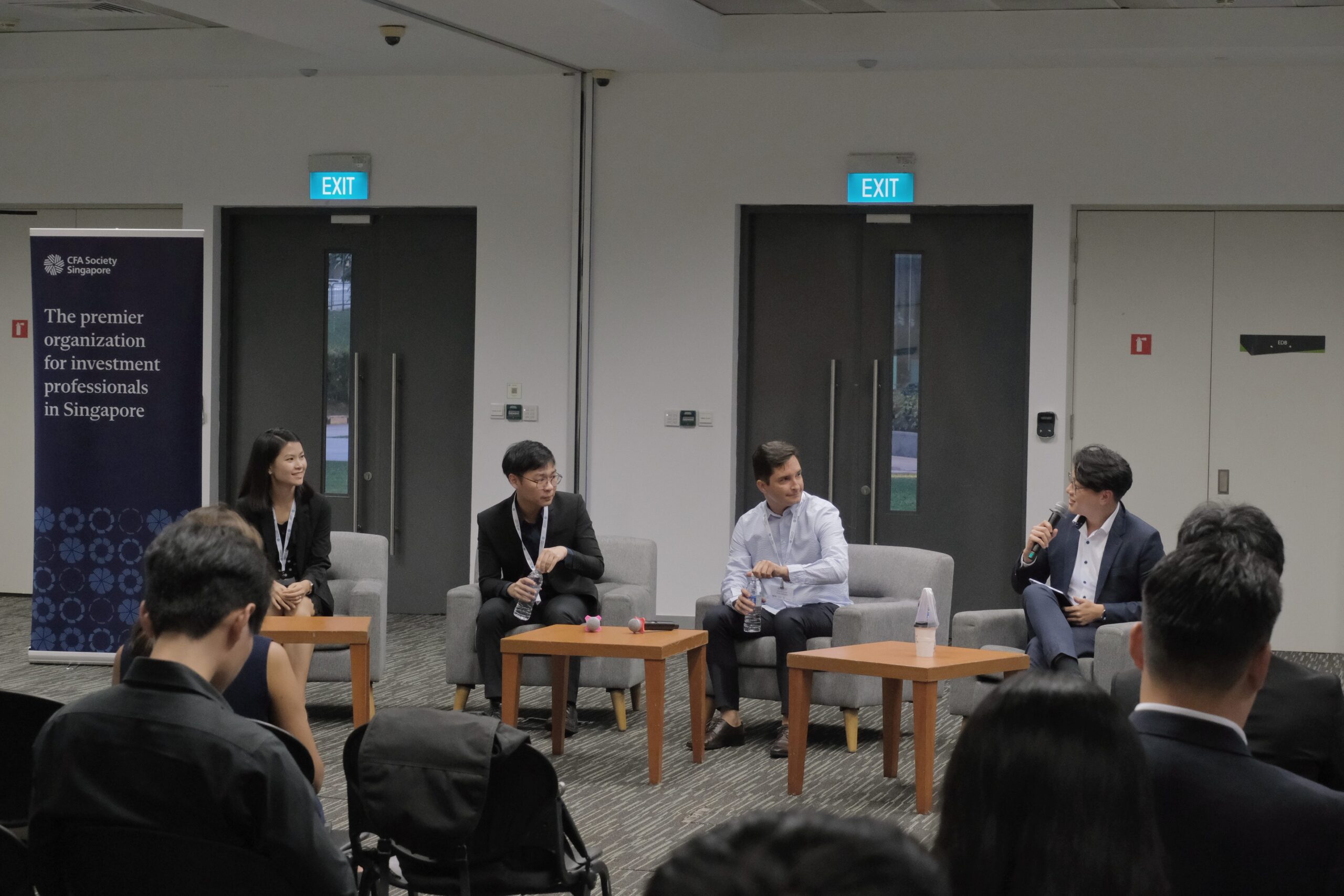
One of the main takeaways from the discussion panel was the importance of planning early during the undergraduate years of a student for a career in the industry by learning the fundamentals and preparing for key certifications such as the CFA Programme.
 
After the discussion panel and Q&A session, attendees had the opportunity to connect and network with CFA Charterholders, engaging in insightful conversations about their experiences in the field of corporate finance.
 

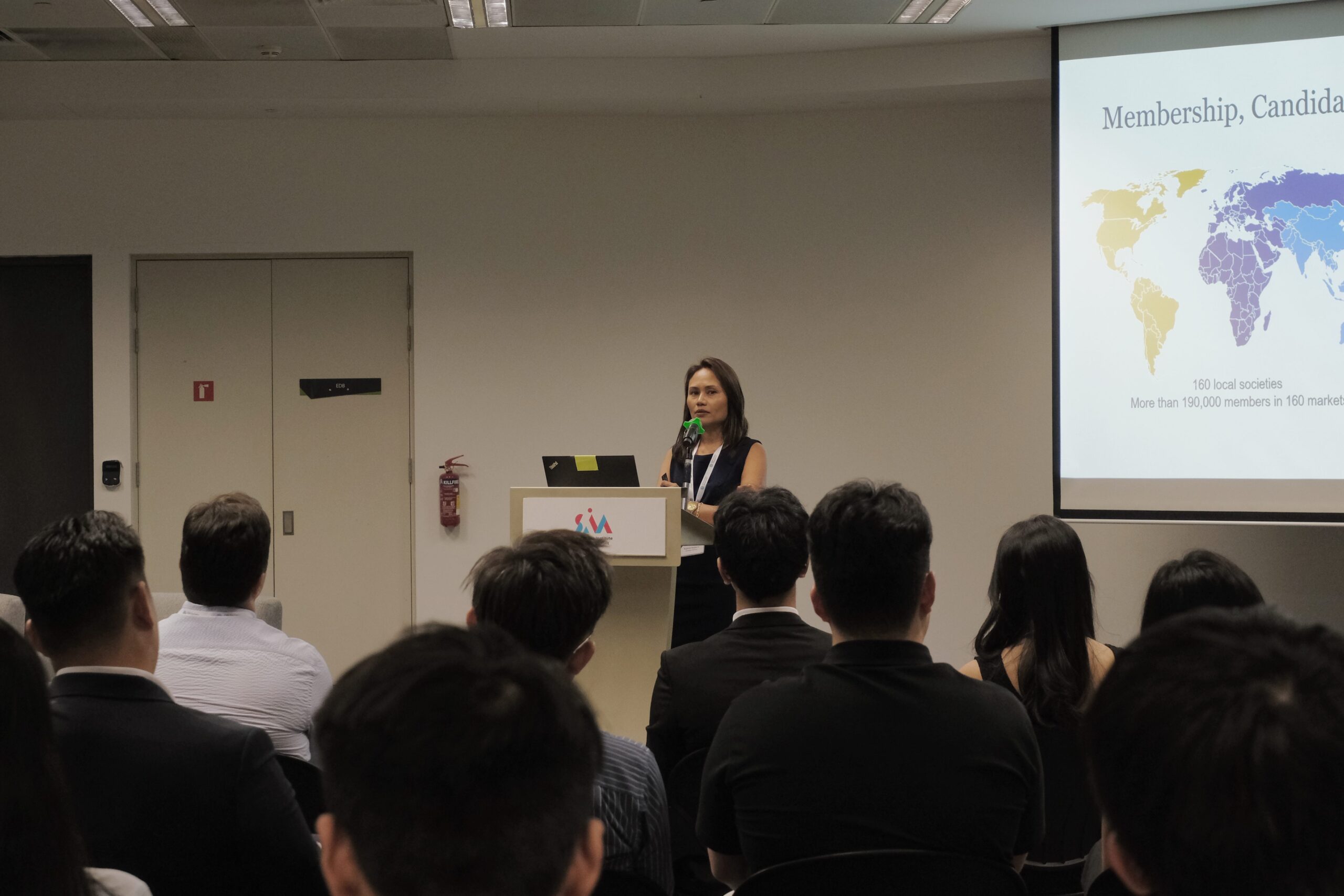
Our sincere gratitude to our panellists — Matt Goncerzewicz CFA, Gladys Lee CFA CA, and Lim You Sheng CFA CA — for generously sharing their knowledge and experiences in the industry. A special thank you also goes to Sophiah Repha’ee, Associate Director at CFA Society Singapore, for providing a deeper understanding of the CFA Programme and its value in the industry.

Last but not least, a big thank you to all our attendees for your enthusiastic participation!
When Ideas Collide: Inside the SAS Forum on Free Speech & Media Regulation

When Ideas Collide: Inside the SAS Forum on Free Speech & Media Regulation

When Ideas Collide: Inside the SAS Forum on Free Speech & Media Regulation

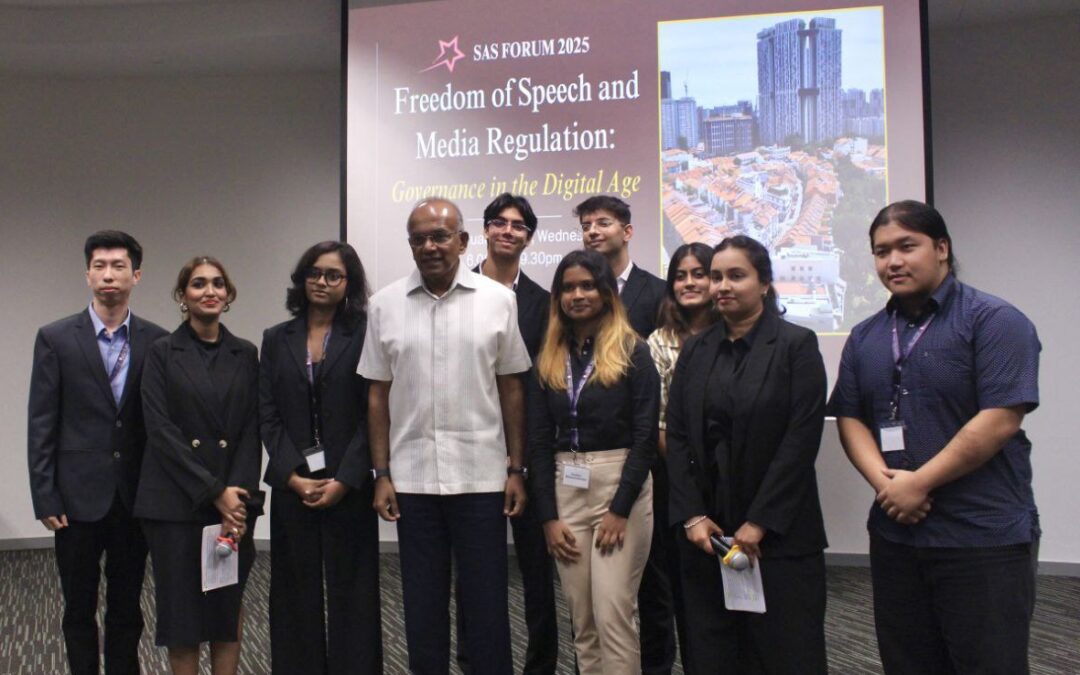
What happens when you gather a minister, a tech lawyer, a media expert, an ethics consultant and a room full of curious students? You get one of the most dynamic, eye-opening events SAS has ever hosted.

Held on 26 February 2025, the SAS Forum 2025, themed “Freedom of Speech and Media Regulation: Governance in the Digital Age”, brought together a diverse lineup of voices to unpack one of the most complex challenges of our time: how do we govern speech in a world where everyone has a platform?


A Conversation Worth Having

As students, we’re constantly told that we live in a digital age, one shaped by tweets, reels, and instant news. But how often do we pause to consider who gets to draw the lines around what’s permissible, ethical, or even safe?

That was the purpose of this forum: to create space for real, unfiltered conversation about media regulation and the future of free speech. More than a policy talk, it was about listening, questioning, and seeing an issue from perspectives we may not normally encounter.


A Powerful Lineup

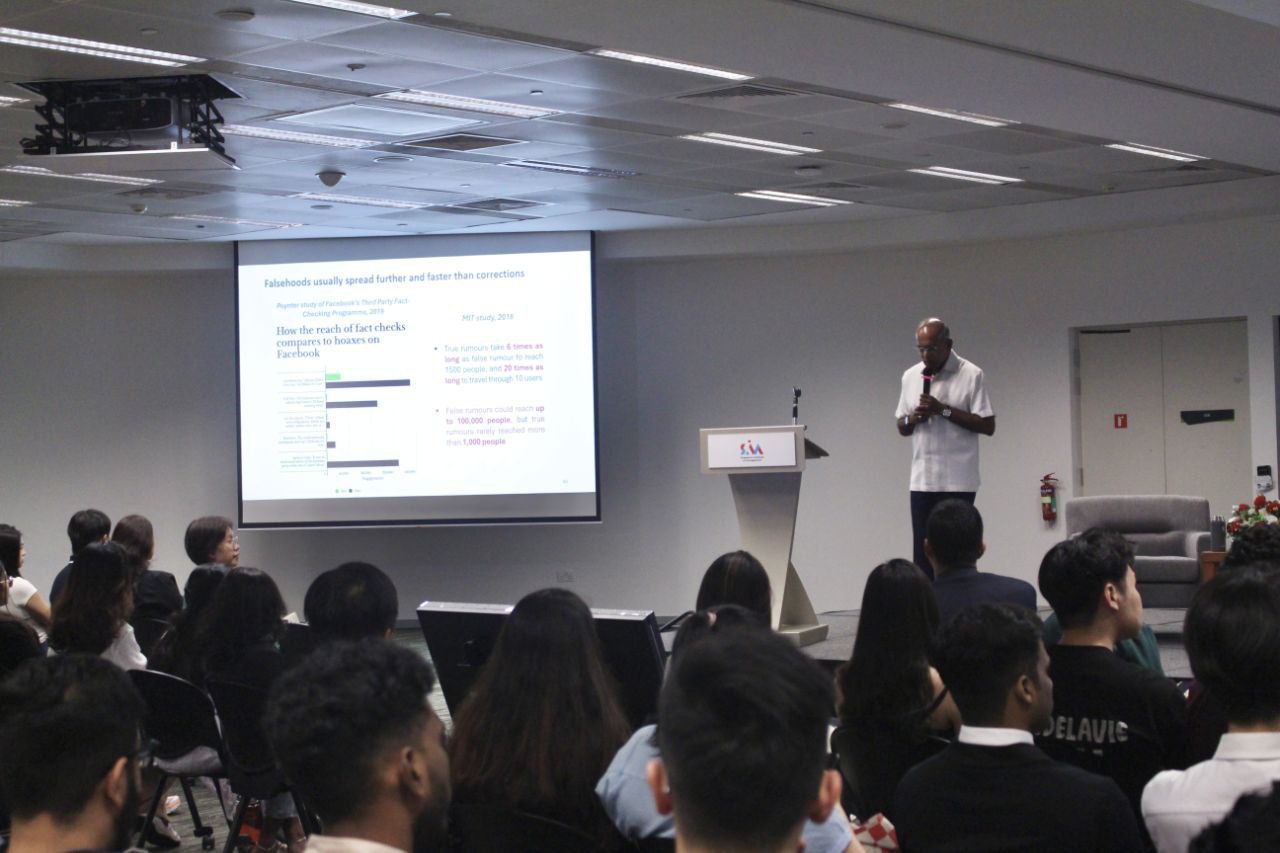
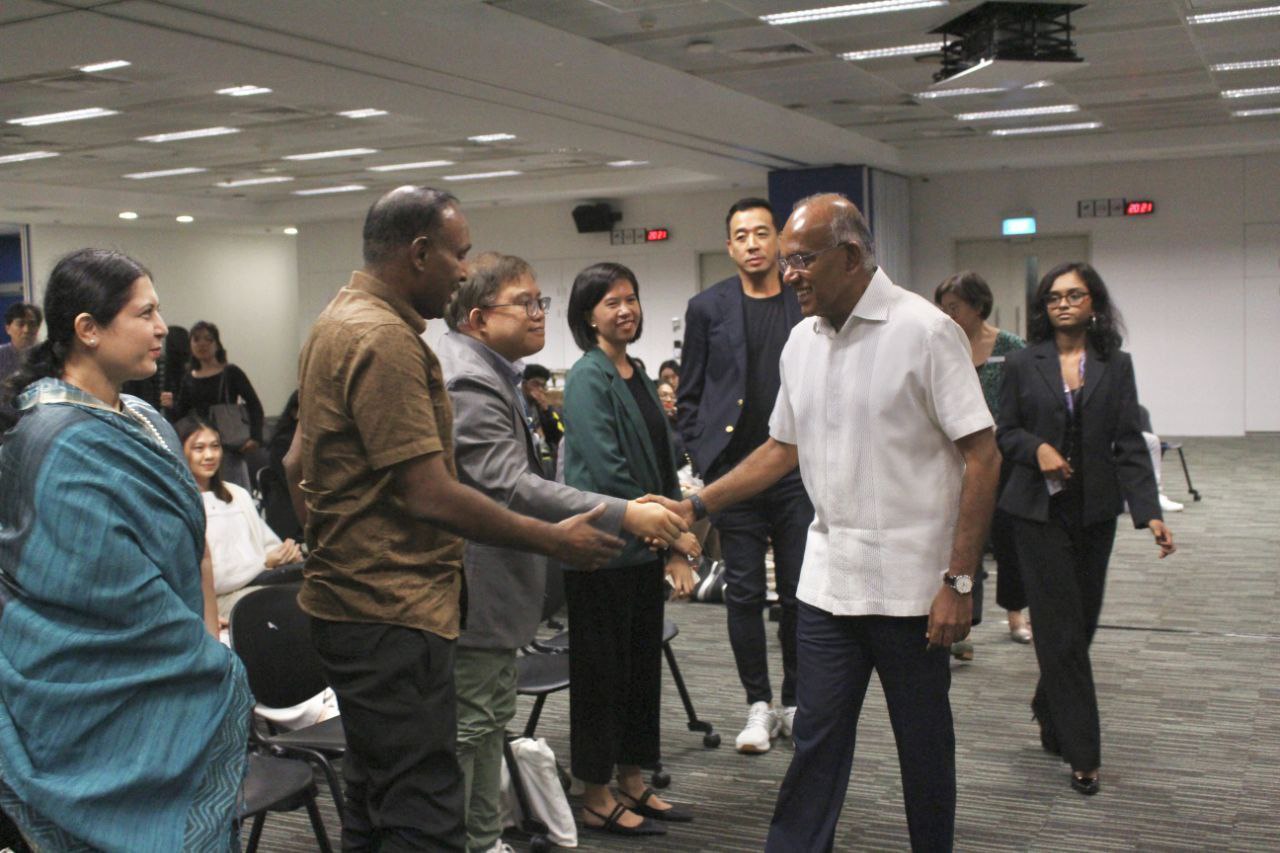
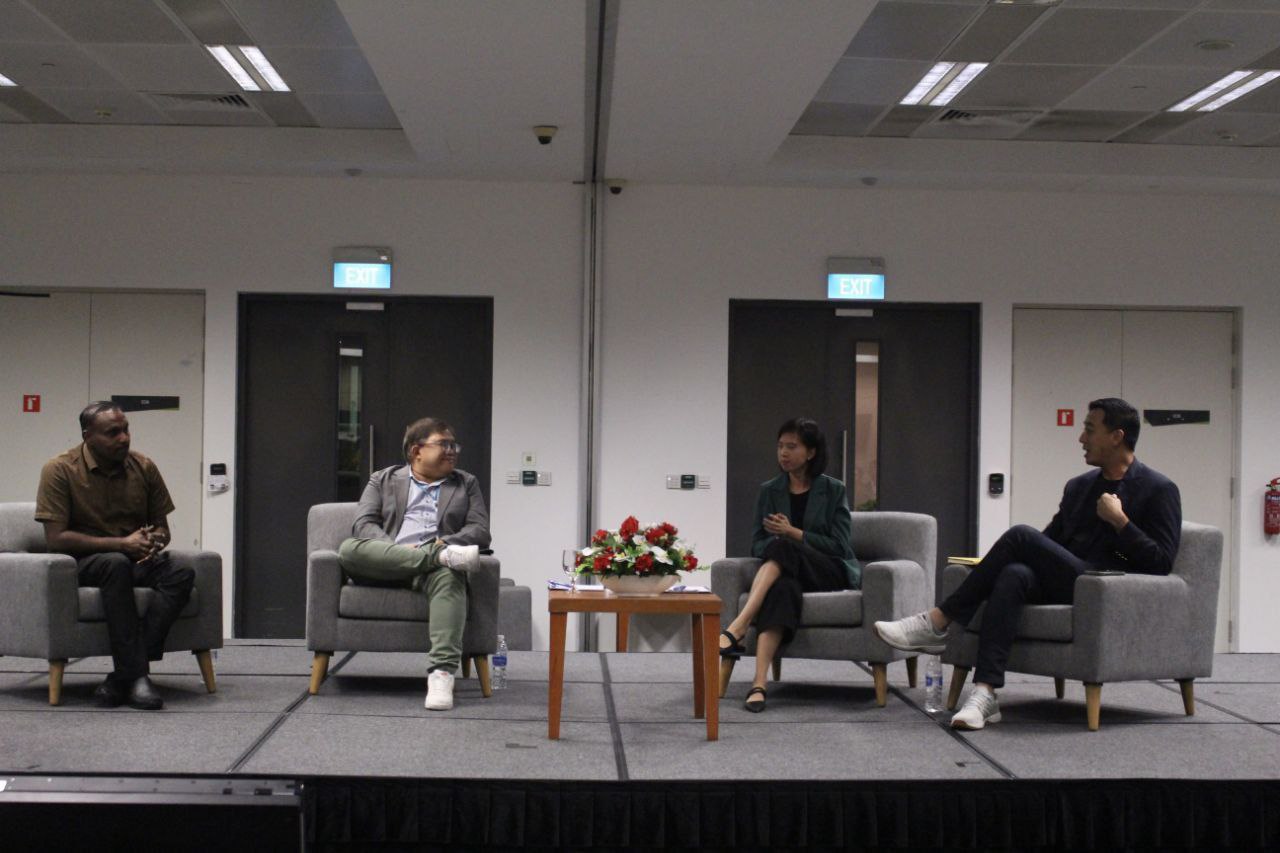
We were honoured to hear from Minister K Shanmugam, who opened the session with an unflinching look at the role of governance in digital spaces, from combating fake news to protecting social harmony. His keynote set the stage for an engaging panel featuring Mr. Selvakumar Simon, who spoke about ethics in the information age, Ms. Dymples Leong, who shared real-life industry challenges from the media side, and Mr. Bryan Tan, who added depth from a legal and cyber policy angle.

The discussion was skilfully moderated by Mr. Nicholas Fang, who ensured that the conversation stayed both grounded and accessible. And our audience? They came prepared. The questions ranged from censorship and algorithmic control to the philosophical limits of freedom in a connected world.

Beyond the Podium

What made the event truly special wasn’t just the quality of the speakers, it was the energy in the room. You could feel the intellectual curiosity buzzing. Students weren’t just listening, they were engaging, challenging, reflecting.

The Q&A segment saw a wave of bold, thoughtful questions: How far should governments go in regulating misinformation? Should AI-generated content be held to the same standards as human speech? Is there still space for dissent in increasingly moderated digital platforms? These weren’t easy questions, but they were honest ones.

It reminded us that discussions like these are more than just academic exercises. They’re about citizenship. They’re about the kind of society we want to shape, both online and offline.

The success of the forum has sparked ideas for what’s next. There’s clearly an appetite for more conversations that dive into the “grey areas”, where law, ethics, and society intersect. And we’re excited to explore those frontiers in future SAS events.

For me, organising this forum was more than a leadership exercise, it was a lesson in listening, collaboration, and purpose. From curating the topic and speaker list to troubleshooting behind-the-scenes hiccups, I learnt how to balance details with the bigger picture. Most importantly, I saw firsthand how a student-led platform can open space for serious, impactful dialogue.

Because in the end, that’s what democracy in the digital age needs: more people willing to ask the hard questions, and more spaces where those questions are truly heard.

This article was written by Vaitheswary D/O Pragash, President of SIM Singapore Affairs Society AY24/25.

When Ideas Collide: Inside the SAS Forum on Free Speech & Media Regulation

What happens when you gather a minister, a tech lawyer, a media expert, an ethics consultant and a room full of curious students? You get one of the most dynamic, eye-opening events SAS has ever hosted.

Held on 26 February 2025, the SAS Forum 2025, themed “Freedom of Speech and Media Regulation: Governance in the Digital Age”, brought together a diverse lineup of voices to unpack one of the most complex challenges of our time: how do we govern speech in a world where everyone has a platform?


A Conversation Worth Having

As students, we’re constantly told that we live in a digital age, one shaped by tweets, reels, and instant news. But how often do we pause to consider who gets to draw the lines around what’s permissible, ethical, or even safe?

That was the purpose of this forum: to create space for real, unfiltered conversation about media regulation and the future of free speech. More than a policy talk, it was about listening, questioning, and seeing an issue from perspectives we may not normally encounter.


A Powerful Lineup

We were honoured to hear from Minister K Shanmugam, who opened the session with an unflinching look at the role of governance in digital spaces, from combating fake news to protecting social harmony. His keynote set the stage for an engaging panel featuring Mr. Selvakumar Simon, who spoke about ethics in the information age, Ms. Dymples Leong, who shared real-life industry challenges from the media side, and Mr. Bryan Tan, who added depth from a legal and cyber policy angle.

The discussion was skilfully moderated by Mr. Nicholas Fang, who ensured that the conversation stayed both grounded and accessible. And our audience? They came prepared. The questions ranged from censorship and algorithmic control to the philosophical limits of freedom in a connected world.

Beyond the Podium

What made the event truly special wasn’t just the quality of the speakers, it was the energy in the room. You could feel the intellectual curiosity buzzing. Students weren’t just listening, they were engaging, challenging, reflecting.

The Q&A segment saw a wave of bold, thoughtful questions: How far should governments go in regulating misinformation? Should AI-generated content be held to the same standards as human speech? Is there still space for dissent in increasingly moderated digital platforms? These weren’t easy questions, but they were honest ones.

It reminded us that discussions like these are more than just academic exercises. They’re about citizenship. They’re about the kind of society we want to shape, both online and offline.

The success of the forum has sparked ideas for what’s next. There’s clearly an appetite for more conversations that dive into the “grey areas”, where law, ethics, and society intersect. And we’re excited to explore those frontiers in future SAS events.

For me, organising this forum was more than a leadership exercise, it was a lesson in listening, collaboration, and purpose. From curating the topic and speaker list to troubleshooting behind-the-scenes hiccups, I learnt how to balance details with the bigger picture. Most importantly, I saw firsthand how a student-led platform can open space for serious, impactful dialogue.

Because in the end, that’s what democracy in the digital age needs: more people willing to ask the hard questions, and more spaces where those questions are truly heard.

This article was written by Vaitheswary D/O Pragash, President of SIM Singapore Affairs Society AY24/25.

A Day to Remember: The Junior Olympics!

A Day to Remember: The Junior Olympics!

A Day to Remember: The Junior Olympics!

This article was written by Bryden Chew, the In-Charge (IC) of The Junior Olympics Event and a member of the Community Involvement team representing the Royal Melbourne Institute of Technology (RMIT) Student Council.

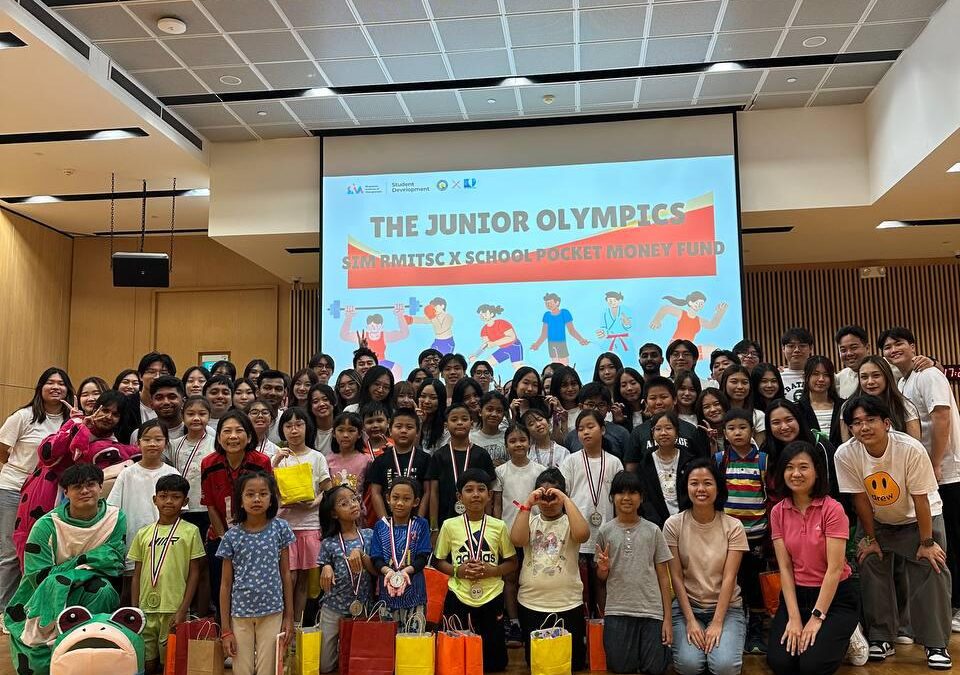
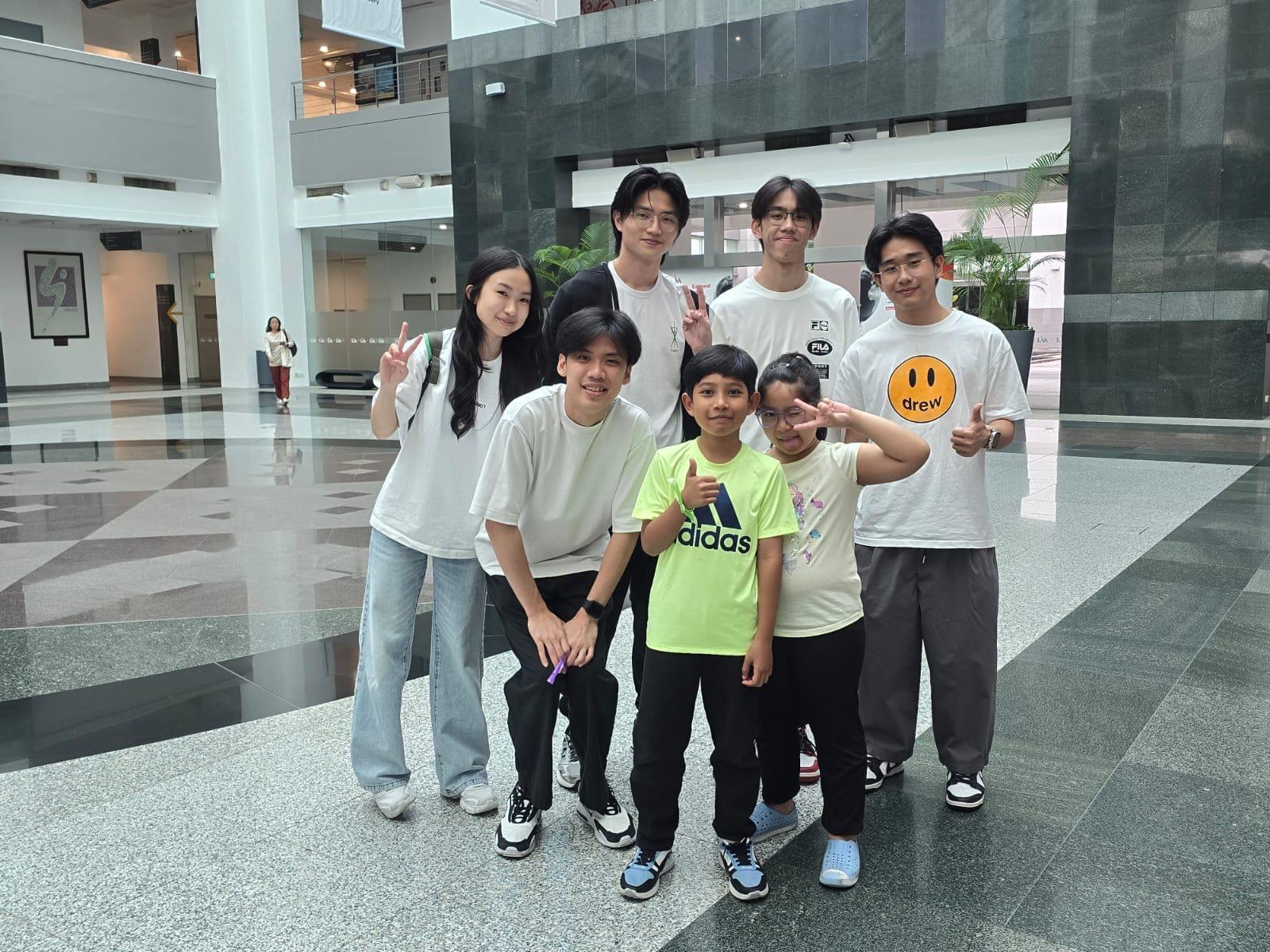
The Junior Olympics, a sports day event, was specially curated for children from underprivileged backgrounds by the RMIT Student Council. A part of RMIT Student Council’s commitment is to give back to the community, hence the event was more than just a recreational activity. The initiative aimed to create joyful memories, foster confidence and ensure that every child felt valued and supported.

Purpose: Sports as a Catalyst for Joy and Confidence

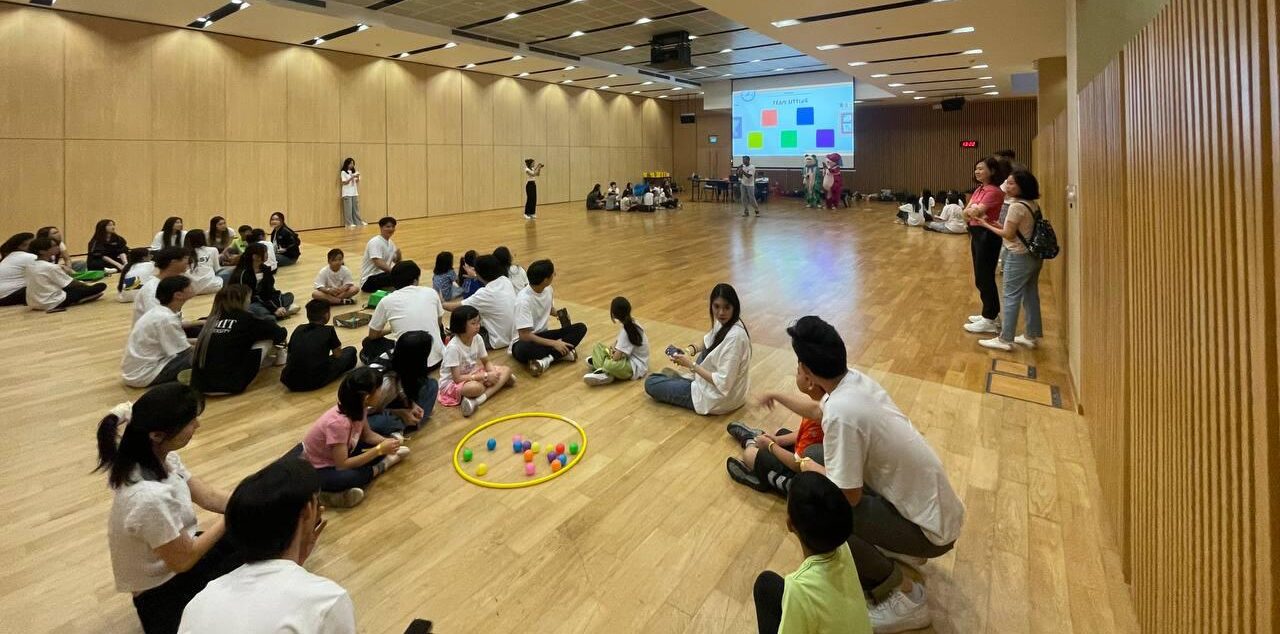
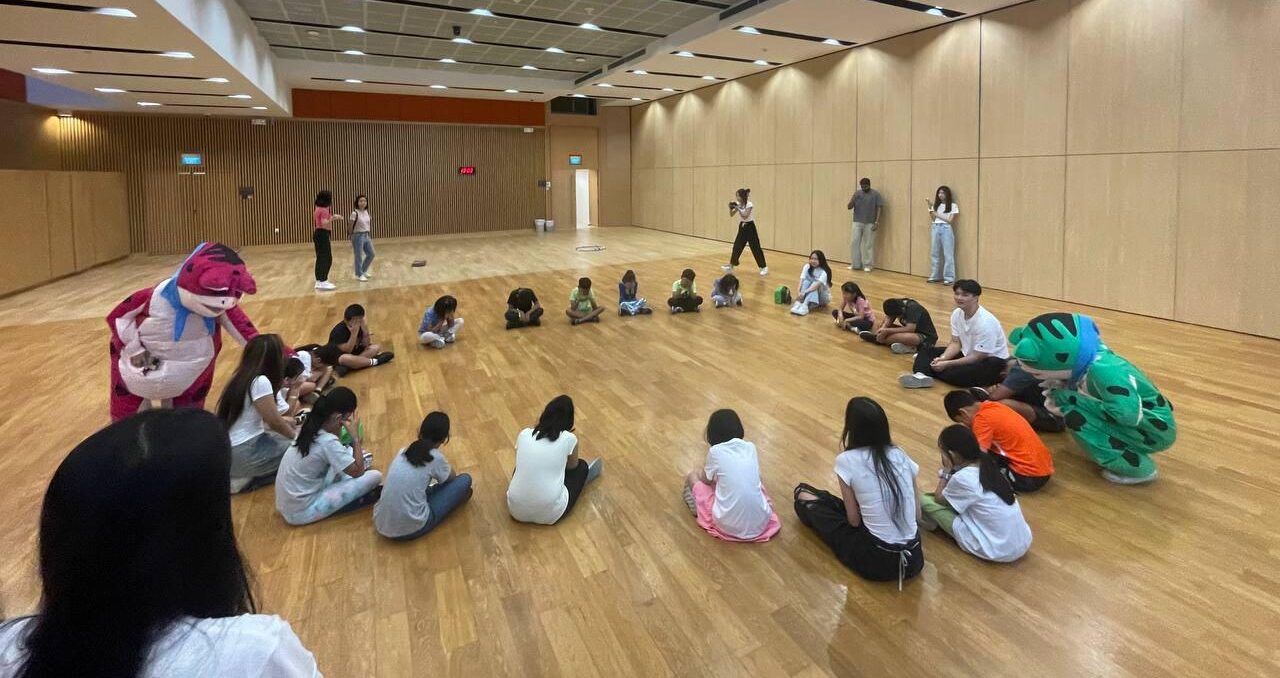
The idea behind the Junior Olympics was to give the children the chance to play and make new friends. We worked closely with a third-party partner, The Straits Times School Pocket Money Fund, to bring this vision to life and design a full day of sport activities, prizes and meaningful interaction. We believe that sports is a powerful tool to promote inclusion and teamwork. Many of the children may not have regular access to such opportunities, so giving them a day to shine meant more than we could have imagined.

Lasting Impact

For many children, this was their first experience participating in a sports event. Some expressed how it made them feel like they belonged, while parents and social workers shared how meaningful the event was in fostering inclusion and joy. It served as a powerful reminder that a few hours of thoughtfully planned fun can leave behind lasting, positive memories.

Overcoming Challenges: Driving Participation and Engagement

As with any initiative, the Junior Olympics encountered its share of challenges, particularly in garnering student involvement amidst a busy school calendar filled with competing events. The organising team adopted a multifaceted approach to raise awareness and sustain engagement. The organising team utilised social media campaigns, hosted smaller promotional activities and shared real stories to showcase the significance of the event. These strategies helped build awareness and encourage support across the school.

Improving the Process

While the Junior Olympics was a success, there are areas for improvement. Engaging stakeholders earlier and securing resources in advance would help streamline planning. Gathering feedback from participants and volunteers can also guide future enhancements.

Moving forward, using digital tools for coordination and expanding student outreach through class visits and peer promotion can boost participation and efficiency. These steps will help make future campaigns even more impactful and well-organised.

Looking Ahead

The success of the Junior Olympics has set the foundation for future initiatives. There are plans to make this an annual event, involving more student volunteers, community partners and sponsors. The long term goal is to continue fostering inclusion and empowerment for children who may otherwise be overlooked.